
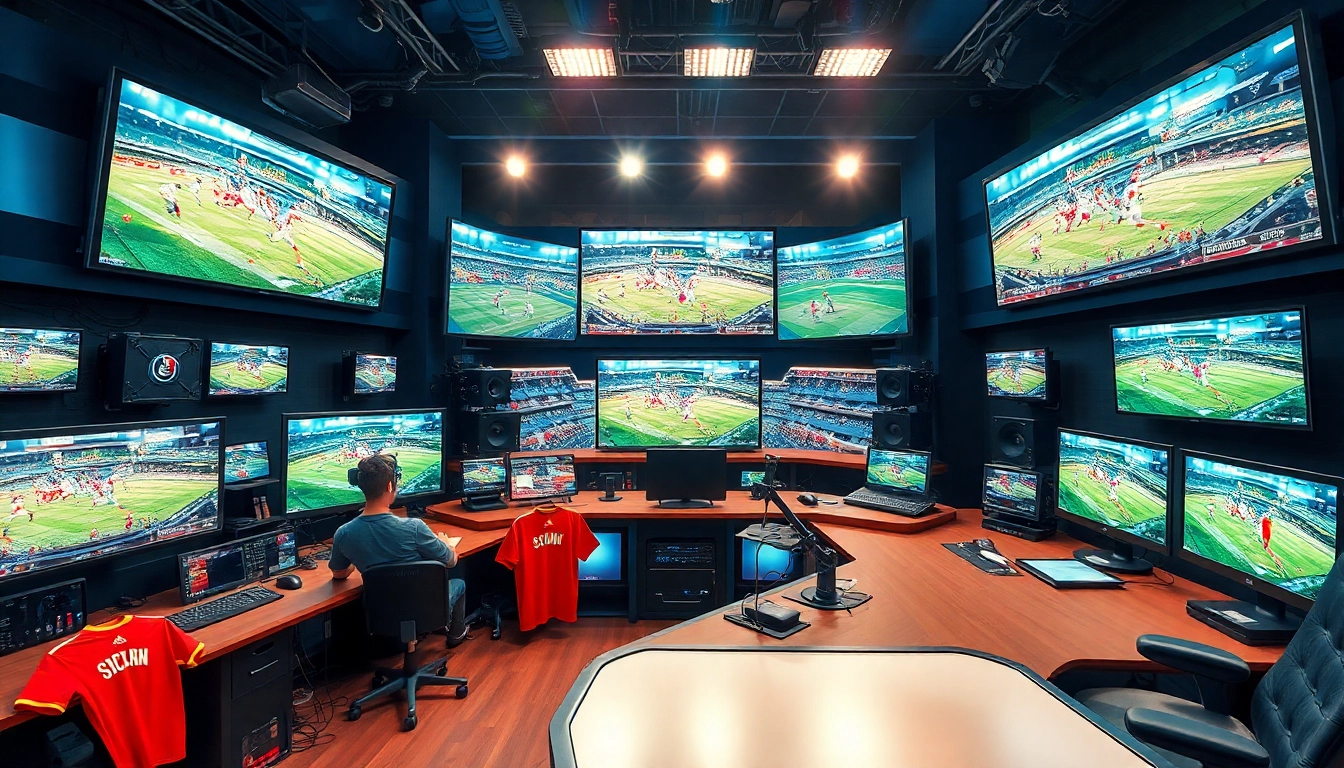
Understanding Sports Broadcasting
Sports broadcasting serves as the bridge connecting athletes to their fans, providing live coverage of events and insights that enhance the viewing experience. As a prevalent form of media in today’s society, it not only entertains but also informs and engages audiences, allowing them to immerse themselves in their favorite sports. With the rise of digital and streaming platforms, the landscape of Sports Broadcasting continues to evolve, presenting both opportunities and challenges for producers and networks alike.
History and Evolution of Sports Broadcasting
The journey of sports broadcasting began in the early 20th century when radio transmitted play-by-play commentary of games, enabling fans to stay up to date without attending in person. As technology progressed, television became the dominant medium, bringing vivid images and sounds directly into homes. Iconic moments, such as the first televised World Series in 1947 and the advent of cable in the 1980s, transformed how audiences consumed sports. The introduction of 24-hour sports networks in the 1990s catered to sports fans around the clock, leading to a golden era of sports broadcasting characterized by insider analysis and commentary.
Key Components of Sports Broadcasting
Understanding the essential pillars of sports broadcasting is fundamental for producing compelling content. These include:
- Commentary: Effective commentary brings games to life, providing not just descriptions but context, analysis, and storytelling.
- Camerawork: Optimal camera angles are crucial for capturing key moments, while multiple cameras enhance viewer engagement.
- Graphics: On-screen graphics deliver statistics, scores, and key player information, making broadcasts more informative.
- Analysis: Expert analysts evaluate performances, strategies, and provide insights that deepen the audience's understanding of the game.
- Production Values: High-quality sound, visuals, and seamless transitions play a pivotal role in maintaining viewer interest.
Different Types of Sports Broadcasting
Sports broadcasting encompasses various formats tailored to meet diverse audience preferences. These formats can be categorized as follows:
- Live Broadcasts: Real-time coverage that captures the excitement as it unfolds, essential for sports events with significant followings.
- Delayed Broadcasts: Contain pre-recorded games shown later, often supplemented with commentary to provide additional insights.
- Highlight Shows: These recap key moments from games, featuring commentary and analysis to engage viewers who may have missed the live events.
- Online Streaming: Often features interactive elements, allowing viewers to choose their angles or commentary, enhancing their personal experience.
- Documentaries: Explore in-depth stories behind athletes or events, providing context beyond the game and appealing to sports enthusiasts.
The Role of Technology in Sports Broadcasting
The advancement of technology has profoundly influenced sports broadcasting, altering how live events are captured, produced, and consumed. As technology persists in evolving, understanding these advancements is crucial for those in the field.
Innovative Tools for Filming Sports Events
Technology has introduced numerous tools that enhance how sports events are filmed and broadcasted, ensuring a more immersive experience for viewers. For instance:
- Drone Cameras: Provide unique aerial views of sporting events, allowing broadcasters to capture moments from angles previously unattainable.
- Ultra HD and 4K Cameras: Ensure crystal clear images that enhance the overall viewing experience.
- Virtual Reality (VR): Offers fans a chance to experience games as if they were in the stadium, revolutionizing fan engagement.
- Robotic Cameras: These automate camera movements, providing smooth transitions during fast-paced sports action.
The Impact of Streaming Services
The rise of streaming services has dramatically reshaped the landscape of sports broadcasting. With platforms like ESPN+, DAZN, and others entering the fray, the availability of content has exponentially increased. Additionally, these services often offer a subscription model that enables viewers to access content anytime and anywhere, leading to:
- Diverse Offerings: Specialized sports programming catering to niche audiences has flourished, from extreme sports to lesser-known international competitions.
- Global Reach: Streaming allows sporting events to reach international audiences, enhancing viewer engagement across borders and time zones.
- Flexible Viewing Options: Viewers can choose between live events, archives, or highlight reels, tailoring what and how they watch.
Future Trends in Technology
As technology continues to evolve, several trends promise to influence the future of sports broadcasting:
- Augmented Reality (AR): Offers opportunities for enhanced graphics overlays during broadcasts, providing real-time data during games.
- Artificial Intelligence (AI): Streamlines production processes, improves analytics, and identifies viewer preferences for customized content delivery.
- Blockchain Technology: Could revolutionize rights management and content distribution, ensuring secure and transparent broadcasting.
Engaging Your Audience in Sports Broadcasting
Engaging audiences in sports broadcasting involves understanding viewer preferences, leveraging technology, and creating interactive elements that keep fans connected to the action.
Strategies to Enhance Viewer Experience
To enhance viewer experience, broadcasters can implement various strategies, such as:
- Interactive Polls: Engaging viewers by allowing them to participate in live polls about game predictions or insights.
- Enhanced Commentary: Utilizing former players or specialists to provide expert insights during analysis segments gives a fresher perspective.
- Customized Content: Offering viewers the capability to tailor their viewing experience—choosing commentary, camera angles, or even selecting multiple games.
Incorporating Interactive Elements
Interactive components help maintain viewer interest and provide a sense of agency during broadcasts. Some effective options include:
- Live Chat Features: Allow viewers to discuss the event in real-time, sharing opinions and insights, which can bolster community feel.
- Gamification: Inviting viewers to make predictions during a game and rewarding participation through contests enhances engagement.
- Social Media Integration: Encouraging live tweeting or posting where viewers can share their experience expands broadcast reach.
Analyzing Audience Feedback
Understanding audience feedback is critical in the sports broadcasting landscape. Utilizing surveys, focus groups, and social media analytics can help broadcasters:
- Gauge Viewer Sentiment: Identifying what resonates with audiences can help shape future content.
- Identify Opportunities for Improvement: Addressing common viewer complaints can lead to refined content and production techniques.
- Adapt to Viewer Preferences: Tailoring programming based on audience feedback ensures continued engagement.
Challenges in Sports Broadcasting
Despite the advancements in sports broadcasting, various challenges persist that professionals must navigate to ensure successful broadcasts.
Technical Difficulties During Live Events
Live events are susceptible to a host of technical glitches that can disrupt broadcasting, such as:
- Signal Failures: Loss of connection can lead to incomplete broadcasts, frustrating audiences.
- Equipment Malfunctions: Cameras or production equipment can fail, impacting overall quality.
- Backup Plans: Creating contingencies and backup systems is essential to mitigate potential failures.
Legal and Ethical Considerations
Legal issues can pose significant risks in sports broadcasting, as professionals must navigate various regulations, including:
- Broadcasting Rights: Ensuring licensing agreements are honored is crucial to avoid legal disputes and penalties.
- Copyright Issues: Using copyrighted material without permission can lead to lawsuits.
- Mandatory Disclosure: Upholding transparency, especially on sponsorship and advertising, is vital in maintaining audience trust.
Managing Audience Expectations
As audiences become more demanding, managing their expectations is critical for successful broadcasting:
- Consistent Quality: Audiences expect high production values, necessitating adherence to standards across all broadcasts.
- Timeliness: Not delivering timely content can lead to dissatisfaction; punctuality matters in sports broadcasting.
- Clear Communication: Providing clear information about delays or changes helps manage viewer sentiment during unscheduled events.
Measuring Success in Sports Broadcasting
Establishing measurable success parameters is essential for understanding the impact of sports broadcasting and enhancing future efforts.
Key Performance Indicators (KPIs)
Identifying KPIs helps measure various aspects of sports broadcasting, including:
- Viewership Ratings: Gauging how many viewers tune in during broadcasts provides insights into audience engagement.
- Online Engagement: Analyzing social media interactions and content shares indicates audience sentiment and connection.
- Revenue Generation: Assessing income from advertisements and sponsorships can reveal the program's overall financial health.
Using Analytics for Improvement
Utilizing data analytics tools can refine sports broadcasting strategies by helping producers:
- Track Viewer Behavior: Understanding what content resonates aids in creating future programming.
- Optimize Content: Data can determine which segments or features were most popular among viewers, guiding content creation.
- Identify Trends: Recognizing emerging trends in audience preferences helps in staying ahead of the curve in programming.
Best Practices for Continuous Growth
To foster ongoing growth in sports broadcasting, implementing best practices is paramount:
- Regular Training: Keeping staff updated with the latest technologies and methods ensures high-quality outputs.
- Emphasizing Innovation: Continuously exploring new storytelling techniques keeps content fresh and engaging.
- Soliciting Viewer Feedback: Actively engaging with audiences and implementing their suggestions fosters a loyal viewership.
Frequently Asked Questions
What is sports broadcasting?
Sports broadcasting refers to the live transmission or recording of sporting events through various media, including television, radio, and online streaming platforms.
How has technology changed sports broadcasting?
Technology has enhanced camera quality, introduced streaming services, and facilitated interactive features, creating a more engaging viewer experience.
What are the key components of a successful broadcast?
Successful sports broadcasts rely on skilled commentary, high-quality video and audio, effective graphics, and insightful analysis to engage viewers.
How can sports broadcasters engage their audience?
By utilizing interactive elements like live polls, social media integration, and personalized content options, broadcasters can deepen audience engagement.
What are common challenges in sports broadcasting?
Challenges include technical issues during live events, legal and copyright concerns, and the need to manage audience expectations effectively.