
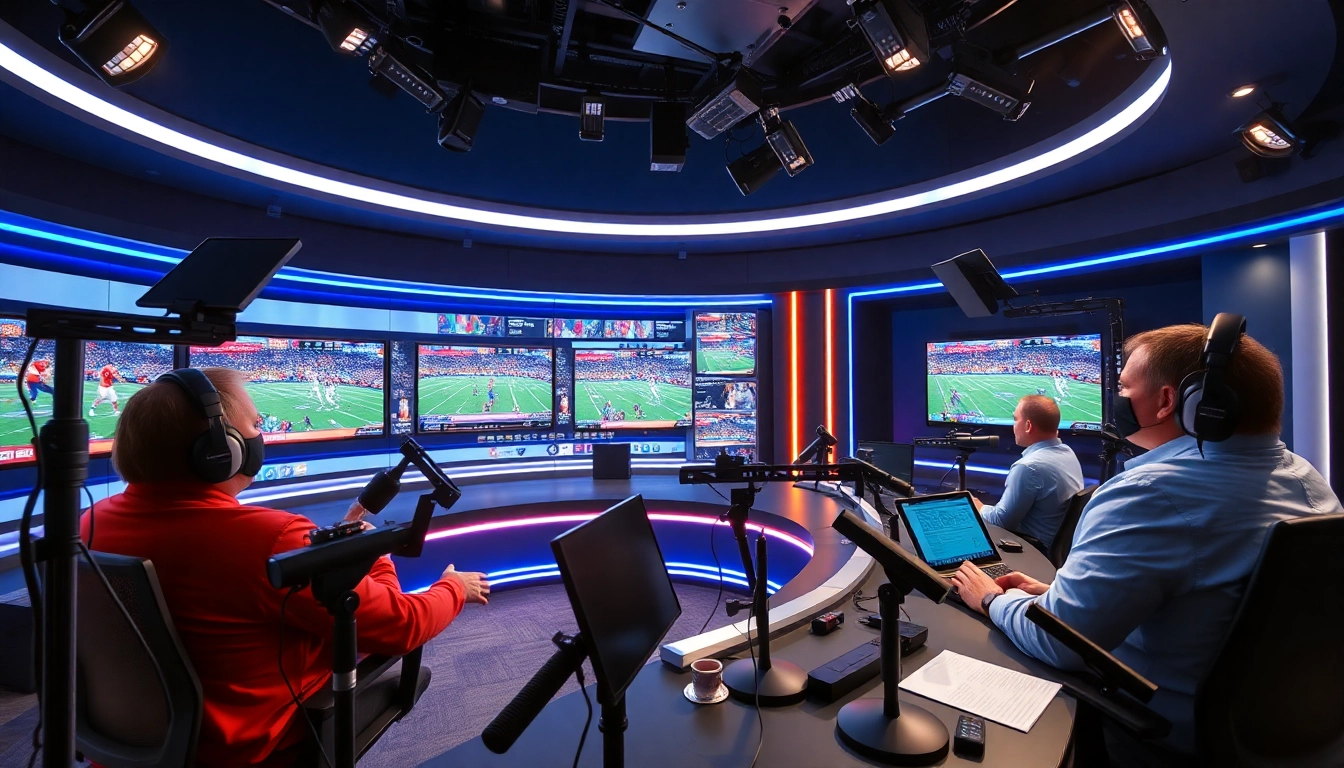
Understanding Sports Broadcasting
Defining Sports Broadcasting
Sports Broadcasting refers to the transmission of live sports events and programming related to sports through various media channels, including television, radio, and online platforms. This field has evolved significantly with technological advancements, allowing fans to engage with their favorite teams and players like never before. The integration of multiple platforms ensures that sports content is broadly accessible. In this digital age, Sports Broadcasting is not just about the event; it encompasses analysis, interviews, commentary, and further interaction from fans.
Importance of Live Sports Coverage
Live sports coverage is crucial for numerous reasons. Firstly, it unites fans in real time, creating a shared experience, whether they are in the stadium or watching from home. Additionally, live sports events can have significant economic impacts, driving advertising revenue and sponsorships. Enhancing viewer engagement through live interactions solidifies loyalty and interest in the teams and leagues being aired.
Key Components of Sports Broadcasting
A comprehensive sports broadcast comprises several essential components, including commentary, graphics, production quality, and audience metrics. Effective commentary provides insight and excitement to the viewing experience. The quality of graphics enhances visual storytelling, while high production values contribute to the overall professionalism of the broadcast. Understanding audience engagement metrics aids broadcasters in refining their approach to retain and grow viewership.
Technical Aspects of Sports Broadcasting
Equipment Needed for Sports Broadcasting
The broadcasting of sports events necessitates advanced equipment to ensure quality coverage. Key equipment typically includes high-definition cameras, audio mixing consoles, graphics software, and broadcasting stations. Additionally, mobile units may be required for on-location broadcasts to provide seamless coverage from various sporting venues. The integration of drones for aerial views and instant replay technology has further revolutionized the visual dynamics of sports broadcasting.
Software Solutions for Effective Streaming
Innovative software solutions are vital for effective streaming in sports broadcasting. Tools such as live streaming platforms, encoding software, and digital production solutions allow for real-time broadcasting and content creation. Programmatic advertising software is advantageous for targeting niche audiences with tailored advertisements. Comprehensive integration of these tools enhances viewer experience and maximizes outreach, catering to the mobile and online viewer demographic.
Networking and Infrastructure Challenges
Broadcasting sports effectively poses several infrastructural and networking challenges. Maintaining reliable internet connections, especially in remote locations, is necessary for quality streaming. Bandwidth allocation and network security also present hurdles that broadcasters must address. Ensuring robust infrastructure not only facilitates uninterrupted viewing experiences but also bolsters the overall reliability of live broadcasts against unforeseen disruptions.
Content Creation in Sports Broadcasting
Storytelling Techniques for Engagement
Compelling storytelling techniques are vital for engaging viewers in sports broadcasting. Broadcasters can employ narrative arcs, focusing on characters and themes that resonate with fans. Integrating personal anecdotes from athletes or insightful backstories cultivates an emotional connection between viewers and the event. Successful broadcasts often leave a lasting impression, transforming ordinary games into memorable narratives.
Utilizing Social Media to Amplify Reach
Social media platforms extend the reach of sports broadcasting, enabling real-time fan interaction, feedback, and engagement. Live tweeting during games, hosting Q&A sessions with athletes, and using hashtags to create discussions helps capture audience attention. Integrating social media feeds into broadcasts can deepen viewer experience and encourage real-time engagement, broadening the impact well beyond traditional methods.
Visual Aesthetics and Graphic Design
The visual aesthetics of sports broadcasts heavily influence viewer enjoyment. Graphic design, including scoreboards, player stats, and promotional graphics, must be innovative and cohesive. Effective use of color schemes, typography, and animations can enhance storytelling and overall broadcast quality. Engaging visuals captivate audiences and keep them invested throughout the sporting event.
Audience Engagement Strategies
Understanding Viewer Demographics
A deep understanding of viewer demographics significantly enhances audience engagement. Analyzing data related to age, gender, and viewing preferences enables broadcasters to tailor content specifically to their audiences. This custom approach ensures better engagement rates as content aligns closely with viewers' expectations and interests.
Interactivity in Sports Broadcasts
Integrating interactive elements into sports broadcasts allows viewers to engage actively with the content. Polls, quizzes, and real-time statistics create a sense of involvement, making viewers feel like a part of the experience. Interactive broadcasts can also encourage social sharing, boosting visibility and reach across platforms.
Feedback and Audience Participation
Encouraging feedback from viewers is a crucial way to enhance sports broadcasts. Utilizing surveys, direct messaging platforms, or social media polls allows broadcasters to gather audience insights continually. Audience participation fosters community engagement and can lead to innovative ideas that shape future broadcasts, ensuring a cycle of improvement and adaptation.
Future Trends in Sports Broadcasting
Emerging Technologies Shaping the Industry
As technology advances, several emerging trends are poised to reshape sports broadcasting. Innovations such as artificial intelligence, augmented reality, and immersive streaming are gaining traction. AI can enhance video analysis and predictive analytics, while augmented reality enriches viewer experiences with layer visuals that complement the live event, creating a multi-faceted viewing experience.
Personalized Viewing Experiences
With advancements in data analytics, personalized viewing experiences are on the horizon. Viewers can choose their preferred camera angles, receive tailored content, and interact with broadcasts in new ways. These personalized features enhance viewer engagement and direction, appealing to the contemporary audience that thrives on customization and choice.
Impact of Virtual Reality on Sports Broadcasting
Virtual reality (VR) is set to revolutionize the sports broadcasting industry by providing immersive experiences unlike any traditional broadcast. Fans can feel as if they are part of the game, observing live events from various angles and even interacting with players. As VR technologies become more accessible, expect significant shifts in audience engagement and preference, leading to potentially new revenue models for broadcasters.
Frequently Asked Questions
What is Sports Broadcasting?
Sports Broadcasting is the transmission of live sports events through television, radio, and online platforms, encompassing commentary, analysis, and viewer interaction.
How has technology affected Sports Broadcasting?
Technology has transformed Sports Broadcasting by introducing high-definition visuals, real-time analytics, and interactive platforms, enhancing viewer experiences.
Why is audience engagement important in Sports Broadcasting?
Audience engagement is vital as it fosters community, drives viewership growth, and allows broadcasters to cater content to viewer preferences.
What trends are shaping the future of Sports Broadcasting?
Emerging trends include virtual reality, personalized viewing options, and the integration of artificial intelligence for enhanced analytics and engagement.
How can social media enhance Sports Broadcasting?
Social media amplifies reach, encourages real-time viewer interaction, and allows broadcasters to create a more engaging and participative experience.