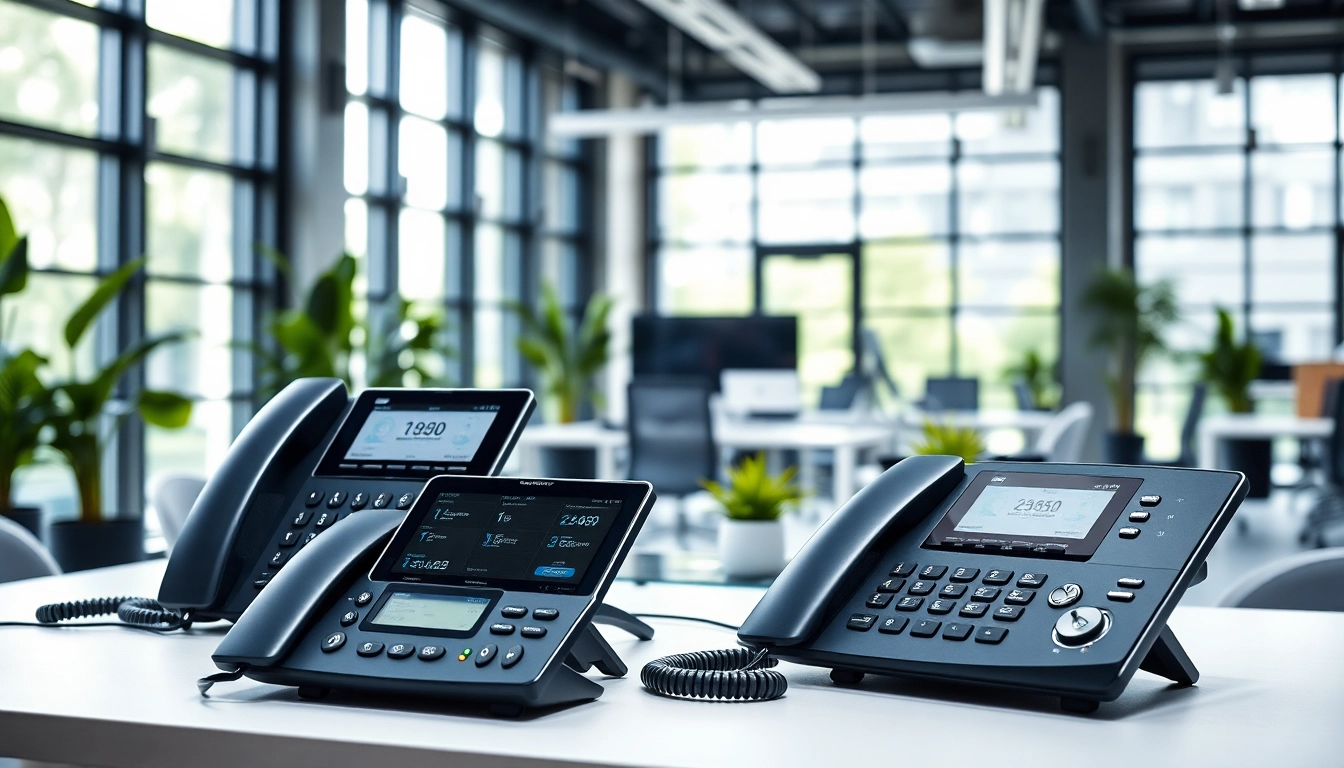
Understanding Business Phone Systems
In today’s fast-paced business environment, efficient communication is paramount. Understanding various business phone systems is essential for any organization looking to improve internal and external communication. This article delves into what business phone systems are, their features, and how they can benefit your organization.
What Are Business Phone Systems?
Business phone systems are specialized communication solutions designed to meet the needs of a business environment. Unlike typical residential telephone systems, these systems often provide advanced functionalities such as call routing, voicemail management, conference calling, and support for multiple lines. Business phone systems can integrate traditional telephony services with newer VoIP (Voice over Internet Protocol) technologies, allowing for seamless communication across various platforms and devices.
Key Features of Business Phone Systems
When investigating business phone systems, key features to consider include:
- Voicemail and Call Forwarding: The ability to receive voicemails and forward calls to multiple devices is critical for maintaining communication when away from the desk.
- Conference Calling: Support for multiple participants in a single call is essential for team meetings, client discussions, and collaborations.
- Auto-Attendant: An automated system that can direct callers to the appropriate department or person without a human operator.
- Call Analytics: Tools that provide insights into call duration, frequency, and customer interactions to help optimize operations.
- VoIP Support: Integration with internet-based calling facilitates lower costs and greater flexibility.
Benefits of Using Business Phone Systems
The advantages of implementing a dedicated business phone system include:
- Cost Efficiency: Many business phone systems, particularly those leveraging VoIP technology, can reduce operational costs significantly.
- Enhanced Productivity: Features that enable effective communication can lead to increased productivity across teams.
- Scalability: As your business grows, your communication system can easily scale to meet increased demand without requiring a complete overhaul.
- Professional Image: A robust phone system contributes to a professional image, ensuring that calls are managed effectively, which can enhance customer satisfaction.
Types of Business Phone Systems
Cloud-Based Business Phone Systems
Cloud-based business phone systems allow organizations to operate their communication systems over the internet. Benefits include reduced upfront costs, maintenance, and scalability. Businesses can add or remove lines as necessary and manage the system from any location, providing flexibility for remote workers.
On-Premise Business Phone Systems
On-premise systems are traditional setups where the communication hardware is physically located at the business site. While they may require higher initial investments, these systems can offer extensive customization and control over features. This type is suitable for larger organizations with specific needs that cannot be met by cloud solutions.
Hybrid Business Phone Systems
Hybrid systems combine elements of both cloud-based and on-premise systems, allowing businesses to take advantage of the benefits of both approaches. Organizations can decide which features need to be managed in-house versus those that can be handled through cloud services, offering the most flexible solution tailored to their requirements.
Choosing the Right Business Phone Systems
Assessing Your Business Needs
Before selecting a business phone system, conducting a comprehensive assessment of your business needs is essential. Factors to consider include the size of your team, the frequency of communications, specific features required, and future growth plans. Having a clear understanding of your needs will guide you in making a well-informed decision.
Comparing Pricing and Features
Different business phone systems come at varying price points and offer numerous features. Creating a list of required functionalities and comparing several providers based on feature sets and costs can help narrow down the choices. Look for transparent pricing models that align with your budget and list of necessary functions.
Evaluating Provider Reliability
The reliability of the provider is crucial. Research different service providers by checking customer reviews and testimonials. It’s essential to partner with a vendor that provides robust customer support and reliability, ensuring minimal downtime and prompt assistance when issues arise.
Implementing Business Phone Systems
Steps to Set Up Business Phone Systems
Implementing a business phone system involves several critical steps:
- Plan Your Setup: Create a roadmap detailing how the system will be integrated into existing operations, including timelines and key milestones.
- Choose Your Equipment: Decide on the necessary hardware, whether desk phones, headsets, or compatible softphones.
- Installation: Install the necessary software and hardware components, either onsite or through the provider’s cloud service.
- Testing: Thoroughly test call features, quality, and connectivity to ensure everything is functioning properly.
- Launch: Roll out the system within the organization, ensuring everyone understands how to use it.
Integrating with Existing Infrastructure
Integration with existing infrastructure is vital for a smooth transition. Assess any current communication tools in use and ensure compatibility. Integration with CRM systems and collaboration tools can enhance operational efficiency and provide a more seamless communication experience for users.
Ensuring User Training and Support
Investing in user training is essential for effective adoption. Provide comprehensive training sessions covering features and functionalities specific to your chosen system. Additionally, ensure ongoing support is available through helpdesks or online resources to assist employees as they adapt to the new system.
Future Trends in Business Phone Systems
The Rise of AI in Business Phone Systems
Artificial Intelligence (AI) is playing an increasingly significant role in business phone systems by introducing smarter communication tools. Features such as voice recognition, automated responses, and chatbots help improve customer interactions, enabling teams to focus on more complex tasks while ensuring customers receive timely assistance.
Enhancing Remote Work Capabilities
The trend of remote work is leading to a higher demand for communication systems that support collaboration regardless of location. Future systems will enhance remote work capabilities by improving mobile access and integrating seamlessly with video conferencing tools, enabling teams to work together effectively despite geographical barriers.
Security Considerations for Business Phone Systems
As cyber threats become more pervasive, security will remain a top priority for business phone systems. Future systems will likely incorporate more advanced security features, such as encrypted communication and multi-factor authentication, to protect sensitive information and ensure secure discussions.
FAQs
1. What features should I look for in a business phone system?
Look for features like call forwarding, voicemail management, conference calling, auto-attendant, and analytics tools to improve communication efficiency.
2. How do cloud-based phone systems work?
Cloud-based phone systems operate over the internet, allowing businesses to make and receive calls without traditional phone lines, providing flexibility and cost savings.
3. Are business phone systems expensive to maintain?
Costs vary by provider and system type, but many cloud systems can be more cost-effective than traditional systems, reducing maintenance and hardware costs.
4. Can I integrate my business phone system with other tools?
Yes, many business phone systems offer integration with CRM systems, email platforms, and other communication and productivity tools to improve workflow.
5. What should I do if I experience downtime?
If experiencing downtime, contact your service provider immediately for support. They can troubleshoot issues and help restore functionality as quickly as possible.
Contact Information
Customer Service Email: [email protected]
Mobile Sales Email: [email protected]
Support Email: [email protected]
Call us: 0333 015 2615
Head Office: Fareham Innovation Centre, Merlin House, 4 Meteor Way, Fareham, Lee-on-the-Solent, PO13 9FU.
London Address: 124 City Road, London, EC1V 2NX
Manchester Address: Bartle House, Oxford Court, Manchester, M2 3WQ