Understanding the Basics of Cabinetry
What is Cabinetry?
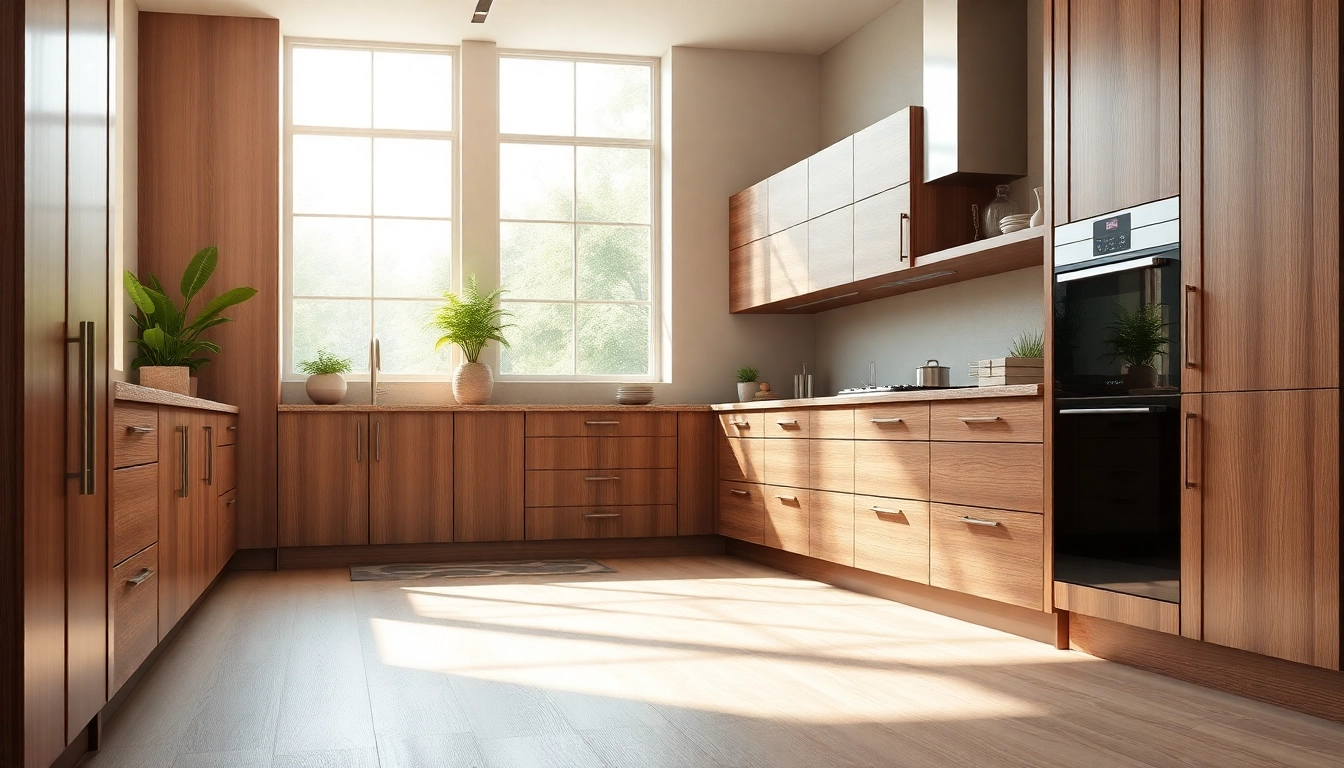
Cabinetry refers to the custom-built or pre-manufactured storage solutions designed to organize and beautify a space. These structures are crucial for efficient home organization, particularly in kitchens, bathrooms, and living areas. Their design and functionality can significantly enhance the aesthetic and practical use of any environment. The elements that define cabinetry include materials, construction methods, and finishes, each contributing to overall durability and style. With a focus on functionality and aesthetics, cabinetry serves as much more than mere storage; it encapsulates design intelligence and quality craftsmanship.
Types of Cabinetry Available
When considering cabinetry, it’s important to understand the various types available. These can be broadly categorized into three major styles: stock, semi-custom, and custom cabinetry.
- Stock Cabinetry: These are mass-produced cabinets available in standard sizes and finishes. They provide cost-effective solutions but often lack personalization.
- Semi-Custom Cabinetry: Offering a compromise between stock and custom, these cabinets allow for some degree of customization in sizes and finishes without the full expense of custom options.
- Custom Cabinetry: Designed specifically for the space available, custom cabinets offer unparalleled quality and personalization, from materials to functionality, making them the ideal choice for unique spaces.
Choosing the Right Cabinetry for Your Needs
Selecting the right cabinetry is essential to achieving the desired functionality and aesthetic in your space. Consider the following factors:
- Functionality: Determine the primary use of the cabinetry—will it store heavy dishes, small appliances, or just decorative items? This will influence the materials and construction needed.
- Style Preference: Your personal style should be reflected in cabinetry—which could be traditional, modern, rustic, or eclectic.
- Budget: Establish a realistic budget, including installation and material costs. Custom cabinetry typically offers better quality but at a higher price point.
Materials and Hardware in Cabinetry
Common Materials Used in Cabinetry
Materials significantly impact the durability and appearance of cabinetry. Some common choices include:
- Wood: Classic and versatile, wood is a popular choice due to its natural beauty and structural integrity. Common wood types include oak, maple, and cherry.
- Plywood: Often used for cabinet boxes, plywood is made from thin layers of wood and is known for its strength and resistance to warping.
- MDF (Medium Density Fiberboard): A cost-effective option, MDF is easy to paint and works well for painted cabinets, offering a smooth finish.
Importance of Quality Hardware
The hardware used in cabinetry—from hinges and drawer slides to handles and knobs—plays a significant role in performance and longevity. High-quality hardware ensures smooth operation and can influence the overall appearance of the cabinetry. Investing in durable and stylish hardware is a step toward ensuring your cabinetry remains functional and visually appealing for years.
Comparing Different Finish Options
Finishing your cabinetry is vital for protecting the materials and enhancing aesthetic appeal. Key finish options include:
- Paint: Offers a wide range of colors and can cover imperfections. However, it may require more maintenance.
- Stains: Highlight the natural beauty of wood, providing a rich depth of color and allowing the wood grain to show through.
- Varnish and Lacquer: These finishes create a durable surface resistant to scratches and stains but can alter the color of the wood.
Design Trends in Cabinetry
Popular Styles of Cabinetry
Design trends in cabinetry continually evolve, reflecting changes in style preferences and functionality needs. Some current popular styles include:
- Shaker Style: Characterized by simple lines and a minimalist aesthetic, Shaker cabinets are versatile and appeal to various tastes.
- Flat Panel: These have a sleek, modern look and are becoming increasingly popular for contemporary spaces.
- Classic Traditional: With intricate details and rich wood finishes, this style adds elegance and warmth to more formal environments.
Incorporating Color into Your Cabinetry
Color can transform cabinetry from merely functional to stunning focal points. Current trends include:
- Bold Colors: Colors such as navy blue, forest green, and even black are used instead of traditional whites and woods to instill boldness into spaces.
- Two-Tone Designs: Combining different colors or finishes for upper and lower cabinets adds depth and visual interest.
Mixing and matching cabinetry colors can yield a lively, inviting atmosphere in any room.
Maximizing Space with Innovative Cabinetry
Innovative cabinetry solutions can improve organization and efficiency in even the smallest spaces. Consider:
- Pull-out Shelves: Enhance accessibility by utilizing cabinet depth more efficiently.
- Corner Cabinets: Innovations such as lazy Susans or pull-out mechanisms can make previously difficult-to-reach areas useful.
- Integrated Lighting: Adding under-cabinet lighting highlights features and enhances visibility while adding ambiance.
These features ensure that cabinetry serving attendant purposes maximizes both accessibility and efficiency.
Installation and Maintenance of Cabinetry
Preparing for Cabinetry Installation
Effective preparation for installation is key to achieving great results. Steps include:
- Measuring the Space: Accurate measurements ensure that cabinetry fits perfectly within designated areas.
- Clearing the Area: Ensuring that installation areas are empty enables the team to work efficiently.
- Understanding Layouts: Familiarize yourself with installation layout to address any accessibility or flow considerations.
Each of these preparatory steps is crucial to a seamless installation process.
Best Practices for Maintaining Your Cabinetry
Ongoing maintenance helps preserve the beauty and functionality of cabinetry. Consider the following tips:
- Regular Cleaning: Use mild cleaners to wipe down surfaces and prevent buildup that can damage the finish.
- Avoid Excessive Moisture: Ensure that water does not accumulate within cabinetry to protect laminate and wood finishes.
- Check Hardware: Regularly inspect and tighten hardware to ensure smooth operation and prevent door or drawer issues.
Maintaining cabinetry properly can prolong its lifespan and keep it looking new.
Common Issues and Solutions in Cabinetry Care
Cabinetry can face various challenges over time; understanding these issues and their solutions is vital:
- Scratches or Dents: Minor damages can often be fixed with repair kits or touch-up markers.
- Worn Hardware: Replace any hardware that is not functioning as intended, ensuring smooth operation.
- Moisture Damage: Address any water leaks promptly, and consider treatments for prevention, such as sealants.
Identifying and resolving these common issues are essential for proper cabinetry care.
Making the Most of Your Cabinetry Investment
How Custom Cabinetry Adds Value to Your Home
Investing in custom cabinetry can significantly enhance the value of your home. Unique, tailored designs optimize space usage and deliver aesthetic appeal. Potential buyers often prioritize storage solutions and organization capabilities, making custom cabinetry a critical selling point. It also establishes a distinct design identity that reflects personal elegance.
Understanding the Cost of Cabinetry Projects
Cost factors associated with cabinetry projects can vary greatly. Consider the following when budgeting:
- Material Choices: Higher quality woods and finishes will increase costs but result in greater longevity and beauty.
- Labor Expenses: Professional installation increases expense but ensures a high-quality finish and compliance with design plans.
- Customization Level: More intricate designs and features also raise overall costs.
Having a comprehensive understanding of these expenses ensures better financial planning.
Finding the Right Professional for Your Cabinetry Needs
Choosing a qualified professional to handle your cabinetry project ensures quality results. Look for:
- Experience: Verify their portfolio to ensure they have experience relevant to your specific cabinetry project.
- References: Asking for recommendations and checking reviews can help you gauge their reliability and skill.
- Licensing: Ensure they are appropriately licensed and insured, providing you peace of mind during the project.
Engaging professionals can transform your cabinetry dreams into reality while guaranteeing quality craftsmanship.
Frequently Asked Questions
What kind of cabinetry is best for a small kitchen?
For small kitchens, consider cabinetry that offers space-saving solutions like pull-out shelves, corner cabinets, and lightweight materials, maximizing storage without crowding the space.
How long does it take to install cabinetry?
Installation time varies based on complexity and customization. Typically, it can take a few days to a week for installation, depending on the size and number of cabinets.
Can I paint over my old cabinetry?
Yes, you can paint over old cabinetry after properly preparing the surfaces, including cleaning and sanding. Using quality primer and paint will yield the best results.
Is custom cabinetry worth the investment?
Custom cabinetry generally offers better quality, design flexibility, and longevity, making it a worthwhile investment, particularly for enhancing your home’s value and functionality.
How do I keep my cabinetry looking new?
Regular cleaning with mild cleaners, avoiding excess moisture, and promptly addressing any damage will help maintain cabinetry, keeping it looking fresh and attractive over the years.