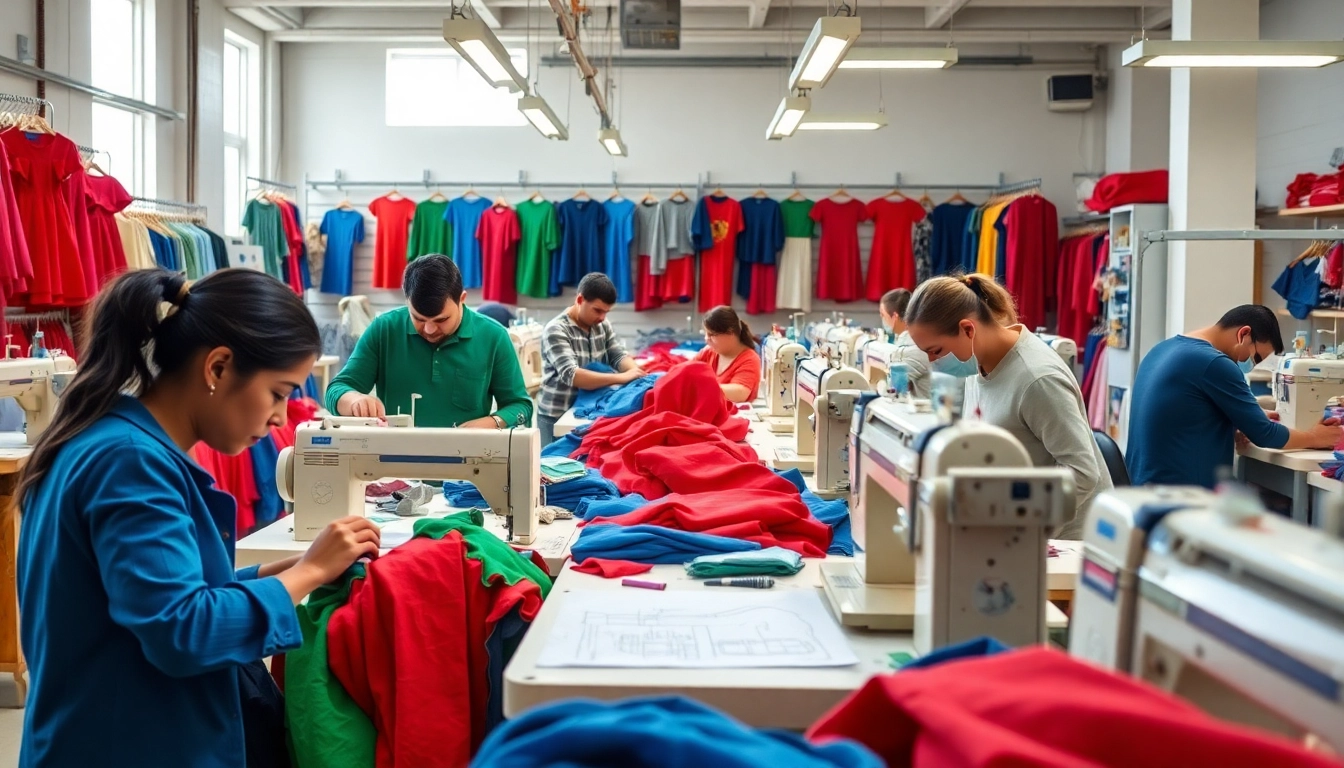
Understanding Custom Apparel Manufacturer Services
In the fast-paced fashion industry, businesses often seek Custom Apparel Manufacturer services to distinguish themselves from competitors and fulfill unique customer needs. This relationship is essential in today’s market landscape, where personalization and branding are becoming more critical. Custom apparel manufacturing involves a range of services that provide businesses with tailored solutions to meet their specific needs, from design and development to production and distribution.
Types of Custom Apparel Manufacturing Solutions
Custom apparel manufacturing encompasses various solutions that cater to different business requirements. Understanding these options can help businesses choose the right Manufacturer for their projects.
- Screen Printing: Ideal for bulk orders, screen printing allows for high-quality designs at lower costs, making it perfect for promotional items.
- Embroidery: This method adds a professional touch to apparel. It’s commonly used for corporate branding on uniforms and sport wear.
- Direct-to-Garment (DTG) Printing: Suitable for intricate designs, DTG printing allows for full-color prints on garments directly, providing high-quality results for small batches.
- Sublimation: This printing technique works best on polymer-coated substrates, allowing for all-over design options. It’s popular in the sportswear segment.
- Cut and Sew: This method involves cutting fabric and sewing it into garments, allowing for more intricate designs and unique shapes, ideal for creating custom styles.
Benefits of Working with a Custom Apparel Manufacturer
Choosing the right Custom Apparel Manufacturer offers significant benefits that can contribute to a brand’s growth:
- Quality Assurance: Manufacturers often have quality control measures in place, ensuring that the final product meets high standards.
- Expertise and Support: Collaboration with experienced professionals can streamline the production process and help navigate challenges that arise.
- Scalability: Custom apparel manufacturers can manage both small and large orders, allowing businesses to scale their production based on demand.
- Faster Turnaround Times: Established manufacturers typically have efficient processes that can reduce production lead times significantly.
- Cost-Effective Solutions: Bulk orders can lower costs per unit, allowing businesses to maintain a healthy profit margin.
Key Factors to Consider in Apparel Manufacturing
When partnering with a custom apparel manufacturer, certain factors should be evaluated:
- Production Capacity: Analyze whether the manufacturer can handle your volume requirements, especially during peak seasons.
- Quality of Materials: Assess the quality of fabrics and customization options available, as these will affect future customer satisfaction.
- Lead Times and Delivery: Understand the timelines for production and delivery to prevent delays in your launch plans.
- Communication: Ensure the manufacturer is responsive to queries and updates throughout the production process.
- Ethical Practices: Choose manufacturers that adhere to ethical labor practices, as this is increasingly important to consumers.
Identifying Your Apparel Needs
Clearly identifying your apparel needs is crucial for the success of your collaboration with a custom apparel manufacturer. This understanding will guide your choices and influence your overall branding strategy.
Assessing Market Trends for Custom Apparel
Staying updated with current market trends is essential for producing relevant items. Researching consumer preferences, popular styles, and competitive analysis can help businesses align their offerings with market demands. Utilizing social media, fashion blogs, and trend forecasting reports can provide insights into emerging trends.
Defining Your Brand Aesthetic and Audience
Your brand aesthetic should reflect your identity and resonate with your target audience. Identifying colors, styles, and themes that depict your brand’s message will assist in creating an effective design brief. Understanding your audience’s demographics, preferences, and pain points will ensure that your apparel meets their needs.
Establishing a Design Brief with a Custom Apparel Manufacturer
A design brief sets the foundation for your collaboration with a manufacturer. It should include:
- Specific design ideas and inspirations
- Target audience and market
- Fabric preferences and color schemes
- Production timelines and budget constraints
- Brand messaging and ethical considerations
This document ensures both parties are on the same page and streamlines the manufacturing process.
The Custom Apparel Production Process
Understanding the production process of custom apparel helps businesses prepare for each phase and address potential challenges.
From Concept to Creation: Steps in Manufacturing
The manufacturing journey can be broken down into several stages:
- Conceptualization: Ideas are generated based on market research and design briefs.
- Design Development: Initial sketches and digital mock-ups are created for approval.
- Material Selection: Fabrics and other materials are chosen based on quality and design requirements.
- Sampling: Prototypes are made to assess design accuracy and functionality.
- Production: Large-scale manufacturing is initiated, following quality control procedures.
- Quality Check: Final goods undergo checks before packaging and distribution.
Quality Control and Assurance in Custom Apparel
Quality control ensures that the final products meet industry standards and customer expectations. Manufacturers typically implement:
- Fabric Testing: Ensuring materials are durable and safe for use.
- Sample Approval: Involving clients in approving sample runs before full production.
- Final Inspections: Assessing all items post-production for defects or inconsistencies.
Establishing these protocols minimizes errors and enhances customer satisfaction.
Understanding Lead Times and Delivery Options
Lead times can vary based on order size, complexity, and the manufacturer’s capabilities. Factors influencing lead times include:
- Volume of order
- Complexity of design
- Availability of materials
- Current workload of the manufacturer
To streamline logistics, clear communication about deadlines and delivery methods should be prioritized.
Marketing Your Custom Apparel Effectively
With your custom apparel ready, it’s crucial to devise a marketing strategy that maximizes visibility and enhances brand engagement.
Building a Strong Brand Narrative
A compelling narrative creates an emotional connection with your audience. Highlight your brand values, mission, and the unique story behind your apparel. Successful brand narratives often showcase craftsmanship, sustainability, or community involvement, making your products more appealing.
Utilizing Social Media for Apparel Promotion
Social media platforms are powerful tools for promoting your custom apparel. Create engaging content that highlights your products in real-life scenarios. Regularly share user-generated content from customers who showcase your apparel and create rich visual experiences that invite interaction from followers.
Collaborating with Influencers and Designers
Partnering with influencers or designers who align with your brand can extend your reach significantly. Consider creating exclusive lines with influencers or hosting giveaways that generate buzz and inspire shared content across various platforms.
Measuring Success with Custom Apparel
Post-launch, it’s vital to evaluate performance to inform future strategies and ensure continued growth.
Tracking Sales and Customer Feedback
Analyze sales data and gather customer feedback through surveys or social media polls. Understanding customer perception allows for adjustments in design, marketing efforts, or pricing strategies.
Adjusting Strategies Based on Performance Metrics
Regularly examine performance metrics such as ROI, conversion rates, and customer satisfaction scores. Identifying trends in this data assists in refining marketing and production strategies to adapt to shifting customer demands.
Future Trends in Custom Apparel Manufacturing
As technology evolves, staying ahead in custom apparel manufacturing is necessary. Some key trends include:
- Sustainable Practices: More brands are focusing on eco-friendly materials and production methods.
- Personalization: Consumers expect more personalized products, driving demand for unique designs.
- Leveraging Technology: Augmented reality and virtual try-on features are on the rise, enhancing customer experiences.
- Speed: The trend towards fast fashion is pushing manufacturers to shorten lead times significantly.
FAQs About Custom Apparel Manufacturing
1. What is custom apparel manufacturing?
Custom apparel manufacturing involves creating tailored clothing items based on specific designs and brand requirements, including clothing, accessories, and promotional items.
2. How long does it take to produce custom apparel?
Production lead times vary based on order size and complexity, typically ranging from a few weeks to several months, including sampling and production.
3. What are the minimum order quantities for custom apparel?
Minimum order quantities can differ among manufacturers, often starting from 50 units for basic styles, depending on the customization required.
4. Can I choose my fabric for custom apparel?
Yes, most custom apparel manufacturers offer a range of fabric options, allowing businesses to select materials that suit their brand and product needs.
5. How do I ensure the quality of my custom apparel?
Implement quality control measures, including approving samples, conducting material tests, and performing final inspections to ensure high-quality output.